


The Harmonious Connection Between Music and Poetry
- Team TC

- Nov 2, 2025
- 4 min read
Music and poetry have always shared a special bond. Each art form enhances the other, creating a powerful experience that resonates deeply with our emotions. This exploration looks at how the rhythm of a chord can mirror the cadence of a poem, showcasing the emotional depths that both mediums can reach.
The Essence of Chords in Music
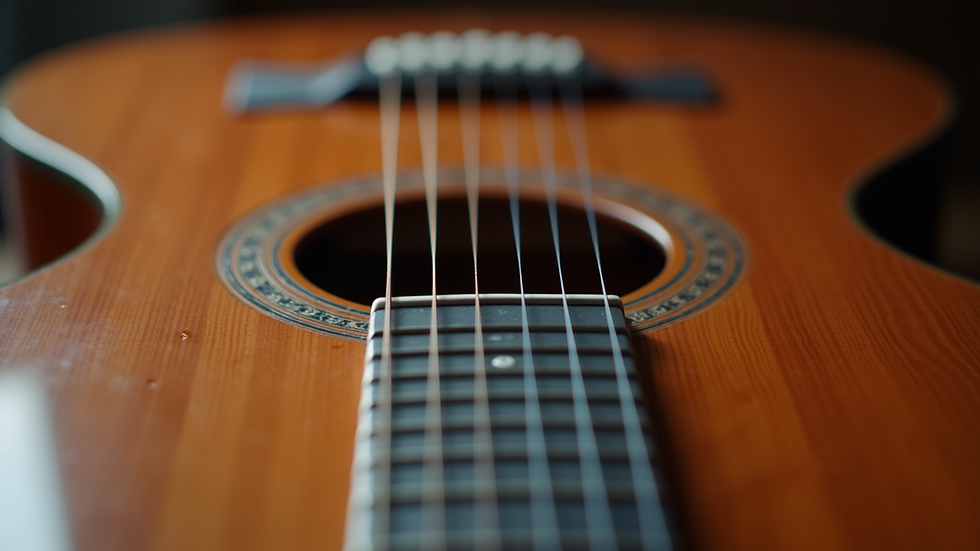
At the center of music is the chord—a combination of notes that produces a rich sound. Chords form the backbone of melodies, adding structure and emotional layers. They evoke feelings, setting the tone for a musical piece. Much like how a poet carefully chooses words to convey meaning, musicians select chords to express their emotions.
Consider this: a study found that major chords can make listeners feel joyful up to 80% of the time, while minor chords can bring about feelings of sadness or reflection in about 70% of cases. This vast emotional range highlights music's power, similar to how poetry captures the essence of human feelings through well-chosen language.
The Language of Poetry
Poetry uses language to create vivid images and stir emotions. Poets often incorporate rhythm, meter, and sound devices, adding a musical quality to their words. This makes the connection between music and poetry clear.
When you read a poem aloud, you can often hear its musicality. The rhythm, flow, and sound choices all contribute to the experience. Just as a musical progression can create tension and release, a poem's structure guides the reader through a spectrum of emotions. For example, some renowned poets, like Maya Angelou, use repetition to create a rhythmic effect that lingers in the mind, leaving a lasting impression.
The Intersection of Music and Poetry
The crossroads of music and poetry forms a rich area for exploration. Many songwriters are poets at heart, crafting lyrics that tell stories and evoke emotions. Songs can feel like poetry set to music, with lyrics that resonate on different levels.
Artists like Bob Dylan and Leonard Cohen are celebrated for their lyrics, often seen as works of poetry in their own right. For instance, Dylan's song "Blowin' in the Wind" uses simple yet profound questions to invite reflection. This blend creates a unique expression of ideas and feelings, touching listeners deeply and leaving a mark on their consciousness.

The Emotional Power of Chords and Words
Both music and poetry have the ability to evoke strong emotions. A single chord can transport listeners back to cherished memories, much like how a powerful line of poetry can resonate deeply with personal experiences. This connection to human feelings makes both art forms profoundly impactful.
For example, the chord progression in Pachelbel's Canon in D is known to evoke feelings of nostalgia for many listeners, triggering memories of weddings or childhood events. Similarly, poems like Robert Frost’s "The Road Not Taken" resonate with readers, often leading them to introspect on choices made in their own lives.
The Role of Imagery in Music and Poetry
Imagery is vital to both music and poetry. Poets use detailed descriptions to create mental pictures, while musicians often enhance their lyrics with vivid imagery to heighten emotional impact. This overlap encourages a deeper bond between the two art forms.
Take, for instance, the song "Firework" by Katy Perry, which uses imagery of bursting fireworks to symbolize empowerment and courage. A comparable poem might describe a night sky lit up by fireworks to symbolize hope amidst darkness. This shared use of imagery allows both mediums to paint unforgettable pictures, making the audience's experience richer.
The Influence of Culture and Context
The connection between music and poetry is heavily influenced by culture and context. Different cultures boast unique musical traditions and poetic forms, each bringing forth distinctive emotional expressions. This diversity enriches both art forms, offering a wide array of experiences.
In some cultures, poetry is performed as song, blending the two forms seamlessly. In others, spoken word poetry is set against musical backdrops, highlighting the relationship between rhythm and language. This cultural fusion broadens our understanding of how music and poetry complement one another.

The Future of Music and Poetry
As we progress, the bond between music and poetry is continually evolving. With advancements in technology, new expressive forms are emerging, allowing artists to experiment with sound and language in fresh ways. Digital platforms now enable poets and musicians to collaborate more easily, producing unique blends of styles that reach diverse audiences.
This evolution opens doors for both art forms. We can expect to see innovative genres and styles that blend music and poetry, reminding us that their harmonious connection will inspire future generations.
A Lasting Connection
The connection between music and poetry underscores their shared goal: to evoke emotions and connect with our human experiences. Through chords and words, artists express life's complexities, creating a rich tapestry of sound and language that resonates deeply.
As we appreciate this harmony, we come to realize the power of art to transcend boundaries and speak to the soul. Whether through a haunting melody or a beautifully crafted poem, their emotional impact is undeniable. Embrace the poetry of a chord and let it guide your own creative journey.



Comments